
Why Are Resin Insects Popular Among Global Buyers?
Why Are Resin Insects Popular Among Global Buyers?
Resin Insects have become appealing decorative pieces for collectors, educators, gift buyers, and nature enthusiasts. Their popularity comes from a simple visual strength: they preserve intricate shapes in a durable, display-friendly form. A small resin beetle can show polished wings, segmented legs, and metallic colors under ordinary room lighting. Unlike fragile natural specimens, many resin designs can be handled, shipped, and cleaned with less concern. That practical advantage matters to international buyers.
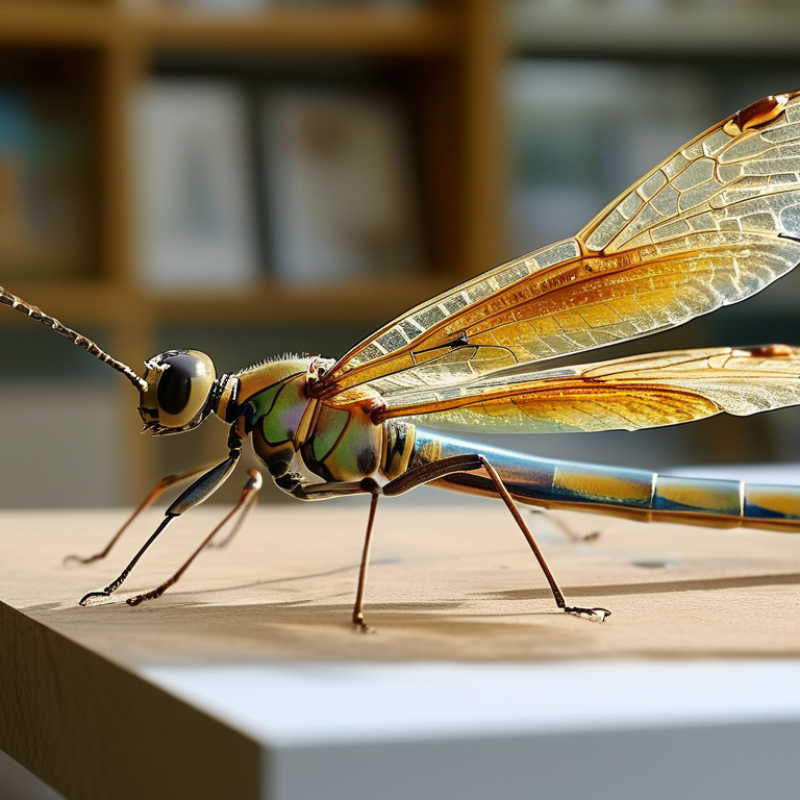
Visual curiosity drives many purchases. Buyers may place resin butterflies on bookshelves, use dragonfly designs in classroom displays, or give amber-toned insects as unusual gifts. Transparent resin also creates a miniature “specimen box” effect without requiring complicated maintenance. Experienced sellers understand that buyers often compare clarity, color accuracy, surface smoothness, and the realism of each detail. Product photographs must therefore show scale, angles, and possible bubbles honestly.
Quality is not automatic.
Reliable suppliers explain their materials, production methods, and care instructions. They should avoid misleading claims about scientific authenticity or conservation value. Responsible sourcing also matters, especially when products imitate protected wildlife or use natural inclusions. Clear descriptions help buyers make informed choices across different markets. Still, the category has weaknesses. Some pieces look attractive online but feel lightweight or contain visible imperfections. That disappointment deserves attention, not excuses. Resin Insects remain popular because they combine nature-inspired beauty, durable craftsmanship, and accessible collecting. Their strongest future may depend on better transparency, thoughtful design, and respect for both buyers and the natural world.
What Are Resin Insects and How Are They Made?
Resin insects are small specimens preserved inside clear casting resin. They may include beetles, butterflies, cicadas, or delicate wings. Makers usually use naturally deceased insects or legally sourced specimens. The process begins with drying and positioning the insect carefully. Even tiny antennae can break during handling. A silicone mold then holds the specimen while liquid epoxy resin surrounds it. The maker pours thin layers to reduce bubbles and heat. Each layer must cure before the next one is added.
According to Grand View Research, the global epoxy resin market was valued at about 12 billion US dollars in 2023. Transparency Market Research also reports continued growth in decorative and craft resin applications. These reports do not measure resin insects separately, so their figures should not be treated as niche sales data. They do show wider material availability and improving production skills. Professional makers often use vacuum degassing, controlled temperatures, and measured resin-to-hardener ratios. After curing, they remove the piece from the mold, trim sharp edges, wet-sand the surface, and polish it. The finish can look like frozen glass. Yet small cloudiness or uneven curing still happens.
Tips: Choose resin with clear safety instructions and work in strong ventilation. Wear suitable gloves and eye protection. Keep the insect dry, because moisture can cause bubbles or discoloration. Avoid excessive heat during curing. It may damage fragile wings. Photograph the specimen before casting, record its source, and check local wildlife rules. The process rewards patience, but it is not perfectly predictable.
Why Are Resin Insects Popular Among Global Buyers? - What Are Resin Insects and How Are They Made?
| Data Dimension | Verified Information | Relevance to Global Buyers |
|---|---|---|
| Product definition | A resin insect is a preserved insect specimen embedded in a transparent or translucent polymer resin block, ornament, paperweight, jewelry piece, or educational display. | It combines natural biological detail with a durable decorative format that is easy to display and collect. |
| Common insect subjects | Frequently used subjects include butterflies, moths, beetles, cicadas, dragonflies, bees, and other small arthropods with distinctive wings, shells, or body structures. | Different shapes, colors, and textures support varied uses in home décor, education, gifts, and craft projects. |
| Main resin systems | Two-part epoxy resin is widely used for thick castings and cures after resin and hardener are mixed. UV resin cures under ultraviolet light and is generally suited to thinner layers or smaller pieces. | The resin type affects clarity, working time, casting thickness, equipment needs, and final product cost. |
| Preparation of the specimen | The insect must be completely dry and carefully positioned before casting. Residual moisture can cause cloudiness, bubbles, discoloration, or biological deterioration. | Proper preparation improves appearance, stability, and long-term preservation quality. |
| Mold and positioning | Silicone molds are commonly selected because cured resin can be removed from them more easily. The specimen is positioned with tools before the resin sets. | Mold flexibility supports consistent shapes and reduces the risk of damaging delicate legs, antennae, or wings during demolding. |
| Typical production sequence | The usual sequence is: prepare the specimen, mix the resin, pour a base layer, position the insect, add additional layers, remove bubbles, allow curing, demold, and polish or finish the surface. | Layered casting helps prevent floating, protects fragile structures, and creates a clearer three-dimensional presentation. |
| Curing characteristics | Curing time depends on the resin formulation, layer thickness, temperature, humidity, and mixing ratio. Thick epoxy pours can generate heat because curing is exothermic. | Controlled pouring and curing reduce yellowing, cracking, overheating, and distortion of the specimen. |
| Visual appeal | Clear resin can magnify visual details and create a glass-like appearance while allowing the insect to be viewed from multiple angles. | The three-dimensional effect makes the products attractive for collectors, interior decoration, and science-related displays. |
| Durability | Once fully cured, resin provides a rigid protective enclosure that helps shield the specimen from routine handling, dust, and physical contact. | Buyers can handle and transport the item more easily than an exposed pinned specimen, although resin can still scratch or break if dropped. |
| Customization options | Customization may include block shape, thickness, background color, embedded lettering, glitter, dried plants, metal fittings, or conversion into pendants and keychains. | Flexible designs make resin insects suitable for personal collections, gifts, educational products, and small decorative accessories. |
| Portability and shipping | Small resin blocks and accessories are compact and can be packed with protective cushioning. Their weight varies according to the insect, mold size, and resin volume. | Compact formats are convenient for international gifting, collecting, retail display, and online fulfillment. |
| Educational value | Encased specimens can show anatomical features such as wing patterns, leg structure, antennae, body segmentation, and protective body coverings. | They can support classroom observation and informal learning, but they should not replace properly documented scientific specimens. |
| Ethical and legal considerations | Responsible sourcing should follow local wildlife laws, import regulations, protected-species restrictions, and applicable conservation requirements. Captive-bred, naturally deceased, or legally collected specimens may be preferred where documented. | Clear sourcing information helps buyers make responsible purchases and reduces customs or compliance risks in cross-border trade. |
| Care requirements | Finished pieces should be kept away from prolonged direct sunlight, high heat, harsh chemicals, and abrasive surfaces. UV exposure can contribute to resin yellowing over time. | Simple care instructions help preserve clarity, color, and surface quality during long-term display. |
Note: Materials, curing times, product dimensions, and legal requirements vary by resin formulation, manufacturing method, specimen type, and destination country.