Login

Skyview  >  Login

Top Patio Doors with Windows for Global Buyers

Choosing patio doors with windows is more complex than comparing frames, glass, and showroom prices. Global buyers must consider climate, wall construction, installation quality, and long-term maintenance. A large glazed door may brighten a living room beautifully, yet it can also expose weak insulation or poor drainage.

Building-science expert Joseph Lstiburek is widely associated with a practical warning: “Water is the enemy.” That short statement matters here. Rain can collect beneath a threshold, wind can test seals, and humid air can reveal condensation problems. A reliable patio door needs carefully designed flashing, sloped drainage, durable weatherstripping, and a professional installation plan.

This guide examines top patio doors with windows for different markets and building conditions. It considers double and triple glazing, low-emissivity coatings, solar control, laminated safety glass, thermal breaks, and accessible thresholds. Product performance should be verified through recognized testing, clear documentation, and a warranty that local distributors can support. Certification names and energy requirements vary by country, so one popular model may not suit every project.

The most attractive option is not always the strongest choice. A slim aluminum frame may suit a warm coastal home, while thermally broken aluminum or fiberglass may perform better in colder regions. Even expert recommendations need reflection. Installation errors can undermine excellent materials. This overview offers practical direction, but buyers should confirm measurements, drainage details, local standards, and service availability before ordering.

Top Patio Doors with Windows for Global Buyers

What Defines a Patio Door with Windows?

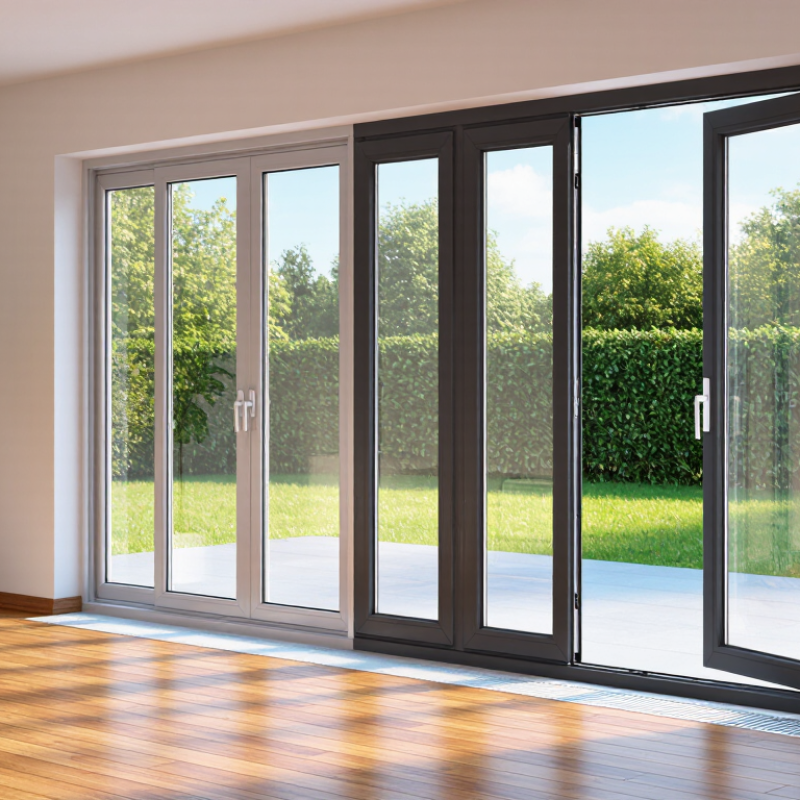
A patio door with windows is more than a glazed opening beside a garden. It combines a door leaf, insulated glass, a supporting frame, weather seals, and a safe threshold. The windows may fill most of the panel or sit beside it as fixed lights. This arrangement controls daylight, ventilation, access, and the view. During practical inspections, I look for clear sightlines, smooth movement, and stable locking points. Small gaps around the frame can reveal poor installation. They matter.

Glass and Frame Performance Glass is the defining feature, but its performance depends on several details. Double glazing usually improves comfort by reducing heat transfer and outside noise. Low-emissivity coatings can limit unwanted solar gain, while laminated glass may improve impact resistance. The right choice changes with climate, orientation, and local building requirements. A south-facing opening may need stronger solar control than a shaded northern wall. Frame material matters too. Thermally broken metal, engineered wood, and composite frames have different maintenance needs. None is perfect.

A useful patio door should open without force, drain rainwater, and remain secure after repeated use. I recommend checking the sill after heavy rain, not only in a showroom. Measure the rough opening carefully. An attractive door can still fail when the threshold is too high or the screen conflicts with furniture. Buyers should request verified thermal, air, water, and structural test data. Ask how replacement hardware and glass will be supported locally. That detail is easy to overlook.

Main Types of Windowed Patio Doors

Top Patio Doors with Windows for Global Buyers

Main Types of Windowed Patio Doors

Windowed patio doors connect indoor rooms with gardens, balconies, and terraces. Their glass area affects daylight, ventilation, security, and energy use.

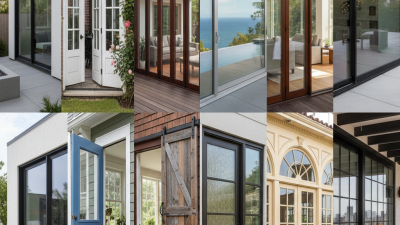
Sliding patio doors move along tracks and save floor space. They suit compact rooms and wide openings. However, their rollers need clean tracks and accurate installation.

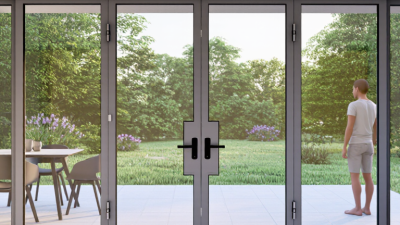
Hinged French doors open inward or outward from side hinges. They provide a traditional appearance and strong ventilation. Their swing area requires careful furniture planning.

Folding doors use several linked panels that stack beside the opening. They create a broad passage, but the frame includes more joints and hardware.

Lift-and-slide doors can support large glass panels with limited operating effort. They are useful for premium projects, although their weight demands excellent wall support.

Global buyers should compare frame materials, glazing layers, drainage, and local performance requirements. Double glazing improves insulation in many climates. Low-emissivity coatings can reduce heat transfer, while laminated glass may improve safety and sound control. Tempered glass is also common for impact-resistant applications. Ask for tested values for U-factor, air leakage, water resistance, and wind load.

On site, small measurement errors cause serious fitting problems. A few millimeters matter. Coastal homes may need corrosion-resistant hardware, while cold regions need careful thermal-break design.

No door type is perfect. Folding systems offer openness, but sliding systems often provide simpler maintenance.

My practical concern is frequently overlooked: attractive glass cannot compensate for poor flashing, weak drainage, or untrained installation.

Key Materials, Glass Options, and Opening Systems

Patio doors with windows must balance daylight, insulation, durability, and daily movement. The U.S. Department of Energy reports that windows can cause 25–30% of residential heating and cooling energy use. This figure also warns buyers about oversized glass and weak frames. Material selection matters. Thermally broken aluminum suits wide openings and humid climates, while uPVC offers stable insulation with limited maintenance. Wood provides warmth, but it needs careful sealing and regular inspection. Composite frames can reduce this maintenance burden, although their quality varies by manufacturer.

Glass performance Glass performance should be checked through U-factor, solar heat gain coefficient, and visible transmittance. The National Fenestration Rating Council uses these measurements to compare fenestration products consistently. Low-emissivity double glazing is a practical baseline for many markets. Triple glazing may improve comfort in cold regions, but it adds weight and cost. In hot climates, spectrally selective glass can limit solar gain while preserving daylight. A low number is not always better. Excessively low solar gain can make interiors feel dim.

Opening systems Opening systems affect ventilation, space, and hardware stress. Sliding doors save interior floor space, but their tracks need drainage and frequent cleaning. Hinged doors generally provide stronger compression seals. Folding systems create broad openings, yet alignment becomes critical as panels increase. The International Energy Agency states that buildings account for about 30% of global final energy demand. That makes installation quality as important as the product itself. A perfect specification does not exist. Local climate, wall structure, and user habits still deserve a second review.

How to Compare Patio Doors for Different Climates

Top Patio Doors with Windows for Global Buyers

How to Compare Patio Doors for Different Climates

Choosing patio doors with windows should begin with local weather, not appearance. Climate changes how glass, frames, seals, and hardware perform over time. A door that works well in a mild region may struggle in freezing winters or humid summers.

In cold climates, compare low U-values, insulated frames, and tight weather seals. These features help reduce drafts near the floor. Double glazing is common, while triple glazing may suit severe winters. Check the threshold carefully, because snowmelt can enter through a weak drainage design.

Hot regions require different priorities. Look for low solar heat gain and coatings that limit direct sunlight. In humid areas, examine ventilation, condensation control, and frame resistance to moisture. Coastal buyers should ask about corrosion-resistant hardware and tested surface finishes. Salt air is unforgiving.

Windy regions need independently tested air, water, and structural ratings. Do not rely on thick glass alone. The complete system matters, including rollers, locks, corner joints, and installation quality. I have seen excellent doors perform poorly after rushed fitting. That mistake is easy to underestimate.

For global comparison, request test reports using recognized standards, plus details for your local climate zone. Energy ratings can vary between countries, so compare the actual values, not only the labels. Larger windows provide more daylight, but they may increase heat gain and cleaning work. I still prefer clear specifications over attractive promises.

Installation, Maintenance, Security, and Global Standards

For global buyers, patio doors with windows should be selected as tested building components, not decorative openings. The U.S. Department of Energy estimates that windows can cause 25–30% of residential heating and cooling energy use. A low U-factor helps, but installation decides whether that rating survives real weather. Check the frame, sill pan, drainage path, and perimeter seal. Use ISO 10077-1 for thermal-transmittance calculations and ASTM E283 for air-leakage testing where applicable. Standards differ by market. Local wind, rain, and temperature exposure still matter.

Keep the threshold clean and inspect seals twice yearly. Small gaps matter. Water stains near the corner often indicate blocked drainage, not only failed glass. The International Energy Agency’s Buildings 2023 report links buildings with about 30% of global final energy demand, making maintenance an energy issue too. For security, request documented resistance testing, such as EN 1627 classifications, when relevant to the destination. Use laminated safety glass, multi-point locking, reinforced keep areas, and hardware that resists forced manipulation. Do not assume heavier glass means better protection. That shortcut can overload the frame. A practical inspection should test smooth closing, lock engagement, frame movement, and drainage after rain. Specifications can look impressive, yet a careless sill installation may defeat them.

Top Patio Doors with Windows for Global Buyers - Installation, Maintenance, Security, and Global Standards

Door Type Typical Window Configuration Recommended Glazing Main Advantages Installation Considerations Maintenance Requirements Security Features Relevant Global Standards
Sliding Patio Door Two or more large glazed panels; one panel usually slides horizontally. Double insulating glass; low-emissivity coating and inert-gas filling where climate and budget justify it. Space-efficient operation, wide daylight opening, and generally simple everyday use. The sill must be level and fully supported. Exterior drainage, perimeter flashing, and compatible sealants are essential. Clean the track, remove debris from drainage paths, inspect rollers, and replace worn weather seals. Anti-lift blocks, hook-bolt or multi-point locking, laminated glass options, and securely fixed keeper plates. Performance may be evaluated under EN 14351-1, ASTM/ AAMA or North American fenestration procedures, and local building codes.
Hinged Patio Door Single or double door leaves with full-height glazing or divided light panels. Insulating safety glass; laminated inner or outer panes are suitable for enhanced impact resistance. Strong compression seals, familiar operation, and effective control of air and water infiltration when correctly installed. Allow adequate swing clearance. The frame must be plumb, square, and anchored to a structurally sound opening. Lubricate hinges and locks with manufacturer-approved products, check alignment, and inspect the threshold seal. Multi-point lock, deadbolt, reinforced strike area, security hinges, and safety glazing in vulnerable locations. EN 14351-1, applicable local safety-glazing requirements, and regional air, water, and wind-load tests.
French Patio Door Two hinged leaves meeting at the center, often with large glass areas. Double glazing with low-emissivity coating; laminated safety glass is advisable for exposed or high-traffic locations. Traditional appearance, broad opening, and good ventilation when both leaves are opened. Verify the center meeting stile, threshold height, opening direction, and wind exposure before ordering. Keep hinges adjusted, maintain the center seals, clean drainage channels, and test locking points periodically. Top-and-bottom shoot bolts, multi-point locking, reinforced hinges, and impact-resistant glazing options. EN 14351-1 or equivalent regional product standards, plus local requirements for safety glass and egress.
Bi-Fold Patio Door Multiple narrow glazed panels connected by hinges and folding toward one or both sides. Lightweight double glazing where compatible with panel size and hardware; safety glass is commonly required. Creates a very wide opening and can connect indoor and outdoor spaces effectively. Requires precise structural support, accurate track alignment, sufficient stacking space, and careful panel adjustment. Vacuum or brush-clean the track, inspect hinges and carrier rollers, and adjust panels if operation becomes uneven. Multi-point locking on the primary panel, anti-lift hardware, robust hinges, and laminated glazing where appropriate. Regional door-and-window standards such as EN 14351-1 or applicable ASTM/AAMA procedures; verify size-specific testing.
Lift-and-Slide Patio Door Large, heavy glazed panels that lift slightly from the seals before sliding. High-performance double or triple insulating glass, subject to panel weight and approved hardware limits. Large transparent opening, smooth movement for heavy panels, and potentially strong weather sealing when correctly engineered. The opening must be structurally adequate and extremely level. Transport, lifting equipment, and professional installation may be required. Keep tracks clean, inspect locking mechanisms, maintain drainage outlets, and avoid modifying adjustment hardware without guidance. Integrated multi-point locks, anti-lift protection, reinforced profiles, and laminated glazing options. EN 14351-1, local wind-load rules, applicable water-tightness and air-permeability tests, and regional safety-glazing codes.
Multi-Slide Patio Door Several large panels sliding along parallel tracks or into a wall pocket. High-performance insulating glass selected according to panel dimensions, thermal targets, and structural limits. Very large clear opening and flexible ventilation or access arrangements. Requires detailed structural coordination, adequate head and sill support, accurate track installation, and careful waterproofing. Clean all tracks and weep holes, inspect rollers and seals, and arrange periodic professional adjustment for large panels. Panel interlocks, anti-lift devices, lockable operating handles, laminated glass, and reinforced frame anchoring. Applicable regional fenestration standards, structural wind-load requirements, safety-glazing rules, and energy-performance regulations.
Thermal Performance Frame, glazing, spacer, seals, and installation details all affect the final result. Compare whole-door U-value or U-factor, solar heat gain coefficient, visible transmittance, and condensation resistance where reported. Helps buyers select suitable products for hot, cold, mixed, or coastal climates. Use climate-appropriate orientation, continuous insulation around the opening, and correctly sealed interfaces. Check for failed insulating-glass seals, condensation, damaged gaskets, and gaps around the frame. Thermal performance does not replace physical security; both should be assessed separately. NFRC rating methods may apply in North America; EN and ISO-based declarations may apply in other markets. Values are not always directly interchangeable.
Weather Resistance Performance depends on thresholds, gaskets, frame joints, drainage, and installation workmanship. Insulating glass should be correctly sealed and compatible with the frame and local climate. Reduces drafts, rain penetration, and moisture-related damage when the complete assembly is tested and installed correctly. Use sill pans or equivalent drainage detailing, end dams where required, backer rods, and compatible exterior sealants. Never block weep holes. Re-seal deteriorated joints and investigate recurring water entry promptly. Strong weather sealing supports security by reducing frame movement and protecting locking hardware. Air-permeability, water-tightness, and wind-load classifications should be verified against the destination market's test system.
Safety and Accessibility Large areas of glass should be visually identifiable and designed to limit injury risks. Tempered or laminated safety glass, selected according to local regulations and door location. Improves impact safety, usability, and access for homes, hospitality spaces, and public-facing projects. Confirm threshold height, clear opening width, handle height, travel path, and emergency egress requirements. Keep operating areas unobstructed and replace cracked or damaged safety glass immediately. Laminated glass can remain bonded after breakage, while tempered glass is designed to fracture into small particles. Follow destination-country safety-glazing, accessibility, fire-egress, and building-code requirements.
Buyer Verification Checklist Request drawings showing overall size, panel arrangement, handing, sill, glazing, and hardware positions. Ask for glass composition, safety classification, spacer type, coating position, and declared thermal values. Supports accurate comparison between products from different markets without relying only on appearance or nominal size. Confirm rough-opening dimensions, substrate, local weather exposure, installation responsibility, and replacement-part availability. Obtain cleaning instructions, adjustment procedures, seal replacement guidance, and a recommended inspection schedule. Verify lock type, cylinder compatibility, anti-lift protection, impact rating where relevant, and hardware serviceability. Request test reports or declarations relevant to the destination country; confirm that laboratory results apply to the specified size and configuration.

Note: Exact performance values and compliance obligations vary by size, glazing, frame material, climate, installation method, and destination-country regulations. Always verify the complete door assembly and current local requirements before purchase or installation.