
Login

Skyview  >  Login

What Is an SPC Wall Panel?

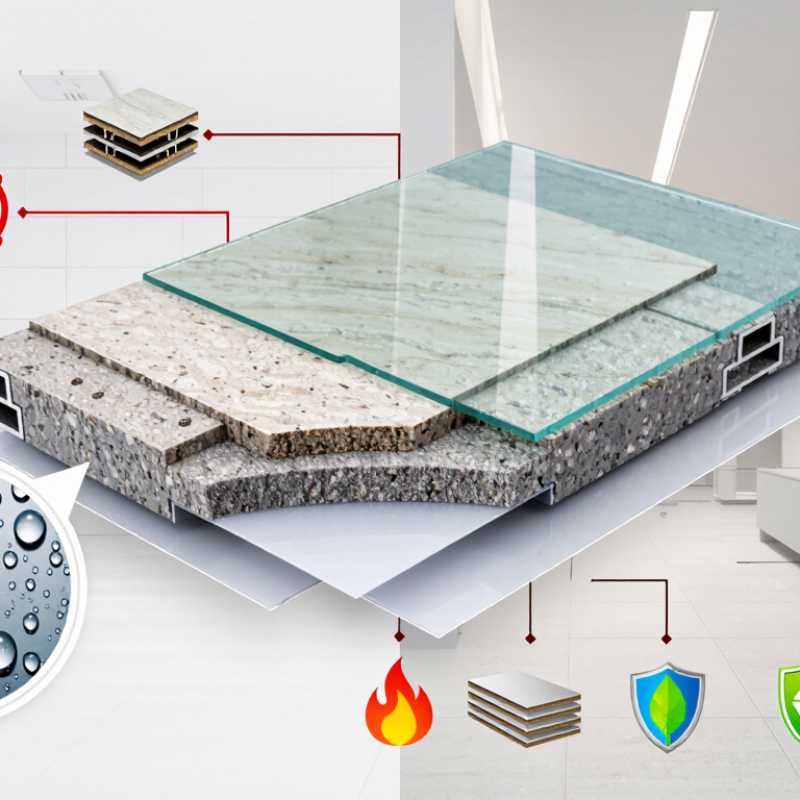
What Is an Spc Wall Panel? The answer begins with its material structure. SPC means Stone Plastic Composite, usually combining limestone powder, polyvinyl chloride, and stabilizers. This rigid core creates a dense panel with low water absorption and strong dimensional stability. It often has a printed decorative layer, a wear-resistant surface, and a click-lock or adhesive installation system.

Market data explains the growing attention. The Business Research Company’s SPC Flooring Global Market Report 2024 identifies expanding demand for rigid composite surfaces, especially in renovation and commercial interiors. However, flooring data should not be treated as wall-panel data. That comparison is useful, but imperfect. Grand View Research also reports continuing growth across resilient flooring, supported by waterproof performance and easier maintenance. These trends help explain why manufacturers are adapting SPC technology for walls, bathrooms, kitchens, hotels, and retail spaces.

Building-science expert Joseph Lstiburek offers a valuable warning: “Water is the most destructive force on earth.” His point matters here. A Spc Wall Panel may resist surface moisture, but it cannot correct a leaking substrate or poorly sealed corner. Installation still requires careful measurement, expansion allowances, clean backing surfaces, and compatible adhesives. A cool bathroom wall, a textured stone finish, and a wipe-clean surface can look convincing. Yet hidden moisture may remain a problem.

This guide examines the panel’s composition, benefits, limitations, installation methods, fire and indoor-air considerations, and maintenance needs. Product claims vary. Certification documents deserve more trust than showroom language.
What Is an SPC Wall Panel?

What Is an SPC Wall Panel?

What Is an SPC Wall Panel?

An SPC wall panel is a rigid interior cladding product made from stone powder and polymer resin. The core gives it strength, while the surface can imitate wood, marble, concrete, or soft fabric. Unlike traditional wall coverings, SPC panels resist everyday moisture and clean easily with a damp cloth. They are commonly used in living rooms, bedrooms, offices, and other interior spaces.

Installation usually involves measuring the wall, cutting the panels, and securing them with suitable adhesive or a compatible fixing system. Experienced installers leave small expansion gaps near corners and floors. This detail helps reduce pressure when indoor temperatures change. However, SPC is not a perfect solution. Uneven walls may create visible gaps, and poor adhesive selection can cause lifting over time. Check the product’s thickness, surface finish, fire rating, and moisture performance before installation.

Tips: Keep panels flat and dry before use. Prepare the wall carefully. Use a fine-tooth cutting blade for cleaner edges. Avoid placing panels over damp surfaces. For bathrooms or kitchens, confirm that the complete installation system is suitable, not just the panel itself. A practical inspection after installation can reveal weak joints, hollow areas, or uneven alignment before they become expensive problems.

What Is an SPC Wall Panel? - What Is an SPC Wall Panel?
Feature Description Practical Considerations
Meaning of SPC SPC stands for stone plastic composite. SPC wall panels are rigid panels generally made from a mineral filler, such as calcium carbonate, combined with a polymer binder, commonly PVC. The exact formulation and layer structure vary by product, so check the manufacturer’s technical specifications.
Panel construction Many panels have a decorative surface layer, a printed or textured design, and a rigid composite core. Some products also include a protective wear layer. Surface coatings and wear-layer thickness differ; confirm suitability for the intended location and cleaning routine.
Common uses SPC panels are used as interior wall finishes in areas such as bathrooms, kitchens, laundry rooms, and living spaces. Use in a wet area depends on the complete installation, including joints, edges, penetrations, and compatible sealants.
Water resistance The composite core is generally resistant to water exposure compared with many wood-based wall materials. Water-resistant panels do not automatically make a wall assembly waterproof. Follow local requirements for showers and other directly wet areas.
Installation methods Depending on the product, panels may be bonded to a suitable substrate or installed using a joining or fixing system. The wall should be clean, dry, stable, and sufficiently flat. Follow the product-specific installation instructions.
Panel size and thickness Dimensions vary by product. Wall panels are commonly sold in sheet, plank, or tile-like formats, with thicknesses that can range from a few millimetres to over 10 mm. Check actual dimensions, coverage per panel, and whether trims or expansion gaps are required before ordering.
Appearance Decorative finishes may imitate materials such as stone, marble, tile, or wood, with either smooth or textured surfaces. Printed patterns and surface texture vary. Review samples where colour matching or pattern alignment matters.
Cleaning and maintenance Most finished surfaces can be cleaned with a soft cloth and a mild, non-abrasive cleaner. Avoid harsh chemicals, abrasive pads, or cleaning methods not approved for the panel’s surface finish.
Heat and fire performance Performance depends on the panel composition and tested product rating. Polymer-based panels can soften or be damaged by excessive heat. Check fire-test documentation and maintain any required clearances from stoves, heaters, and other heat sources.
Before purchase Compare intended-use ratings, dimensions, surface protection, installation requirements, and care instructions. Confirm that the panel is suitable for the specific room and substrate, and account for trims, adhesives, and installation waste.

What Materials and Layers Make Up an SPC Wall Panel?

What Is an SPC Wall Panel?

What Materials and Layers Make Up an SPC Wall Panel?

An SPC wall panel usually contains a rigid stone-plastic composite core. The core commonly blends limestone powder, polyvinyl chloride, and stabilizing additives. Limestone provides density and stiffness. PVC helps control flexibility and moisture resistance.

The panel surface normally includes several functional layers. A printed decorative film creates the appearance of stone, wood, or concrete. Above it, a transparent wear layer protects the pattern from light scratches and daily contact. Some panels also receive a UV-resistant coating. This coating can reduce color fading near windows, although performance depends on exposure and product quality.

A backing layer may improve dimensional stability during installation. Some designs use a foam layer for minor sound reduction or a softer wall contact. Adhesive compatibility still matters. A rigid panel cannot correct a damp or uneven wall. Installers should check moisture, flatness, expansion space, and ventilation before fitting it.

The exact formulation is not universal. Some products contain more mineral filler, while others use thicker surface films. That difference affects weight, cutting behavior, impact resistance, and long-term appearance.

A small sample can reveal much: inspect the edge, bend resistance, layer bonding, and surface texture. Do not judge quality by thickness alone. Even a thick panel may have a weak decorative layer or poor backing.

How Are SPC Wall Panels Manufactured and Installed?

What Is an SPC Wall Panel?

How Are SPC Wall Panels Manufactured and Installed?

SPC wall panels are rigid interior panels made from stone powder and polymer materials. Their dense core resists dents, moisture, and everyday surface wear. Many panels imitate marble, wood grain, or textured stone with a printed decorative layer. They are lighter than masonry and often easier to clean. However, their performance depends on correct manufacturing and careful installation.

Manufacturing starts by blending mineral powder, stabilizers, and polymer resin. The mixture is heated, pressed, and formed into a stable sheet. A decorative film is bonded to the surface under controlled pressure. A transparent protective layer improves stain resistance and reduces minor scratches. Edges are then trimmed for accurate fitting. Reliable producers check thickness, color consistency, bonding strength, and dimensional stability. Even so, small production variations can occur, so installers should inspect every panel before cutting.

Installation begins with a dry, clean, and reasonably flat wall. Installers measure the area and allow panels to adjust to room conditions. They cut openings for sockets, pipes, and corners with suitable tools. Construction adhesive or mechanical fasteners may secure the panels, depending on the wall and panel system. Joints should remain aligned and sealed where moisture is expected. A small gap near fixed edges can reduce pressure from movement. Rushing the layout is a common mistake. A careful dry fit may reveal uneven walls, awkward seams, or incorrect measurements before permanent fixing.

What Features and Benefits Do SPC Wall Panels Offer?

What Is an SPC Wall Panel?

SPC wall panels use a rigid stone-plastic composite core, often combining mineral powder, PVC, and stabilizing additives. This structure creates a dense panel with limited moisture absorption. Unlike ordinary decorative boards, SPC panels resist swelling in humid rooms. They suit bathrooms, kitchens, laundry areas, corridors, and other high-use spaces. That matters daily.

What Features and Benefits Do SPC Wall Panels Offer?

Water resistance is a major advantage. A properly sealed surface can handle splashes, steam, and frequent wiping. Many panels also offer scratch resistance, although sharp furniture edges can still leave marks. Their smooth finish reduces dirt buildup and simplifies routine cleaning. Installation is often faster than traditional tile work because panels can cover large areas with fewer joints. Some systems use click connections, adhesive fixing, or concealed profiles. Always follow the installation instructions.

SPC panels also provide stable performance across normal indoor temperature changes. Their rigid core can help create a solid wall surface and may improve perceived comfort when paired with suitable underlay. However, they are not flawless. An uneven wall can cause visible gaps or stress. Installers should check moisture, level the substrate, and allow proper expansion space. Fire ratings, acoustic performance, and impact resistance vary by product and testing standard. Ask for technical documents, not vague promises. A small sample can reveal color changes, surface texture, and cleaning behavior before a larger installation begins.

Where Are SPC Wall Panels Commonly Used?

What Is an SPC Wall Panel?

Where Are SPC Wall Panels Commonly Used?

SPC wall panels are rigid wall coverings made from a stone plastic composite core. They usually have a decorative surface and a protective wear layer. Their dense structure resists everyday moisture and minor impacts. However, they do not repair leaking walls.

In homes, SPC wall panels are common in bathrooms, kitchens, laundry areas, and entryways. A bathroom installation may cover the shower surround, vanity wall, or space behind the toilet. Fewer grout lines mean less scrubbing around wet zones. In kitchens, panels can protect walls behind sinks and cooking counters. They also suit apartment renovations because installation can create less dust than ceramic tiling.

Commercial spaces use them in hotel bathrooms, office corridors, retail interiors, and restaurant service areas. Their consistent surface helps create a clean appearance across busy walls. A textured stone pattern can add visual depth near a reception desk. A wood design may soften a narrow hallway. In practice, installers still need a flat, dry, stable substrate. Small wall defects can become visible under strong lighting. That detail is often overlooked.

SPC panels are useful, but not flawless.

They may feel less natural than real stone or timber. Poorly sealed joints can still allow water behind the surface. Good ventilation and careful edge sealing remain important, especially in humid rooms. Local building requirements should guide use near heat sources and electrical fixtures.