How to Choose the Best Sliding Doors for Your Space?
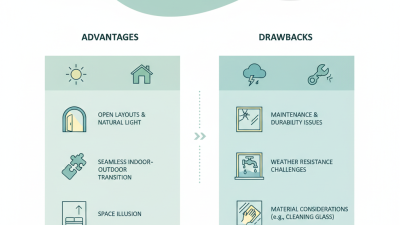
When selecting sliding doors for your space, several factors come into play. The right choice enhances aesthetics while improving functionality. Sliding doors can seamlessly connect indoor and outdoor areas, creating a sense of openness. Consider the materials, styles, and sizes available. Glass doors, for example, bring in natural light, yet may require more maintenance.
Not all sliding doors are created equal. Some may be more durable or energy-efficient than others. Investigate options that suit your climate and budget. The design should complement your existing décor without overwhelming it. Pay attention to the door's hardware and track system, as these components can impact performance and ease of use.
Moreover, think about privacy and security features. Some sliding doors offer enhanced locking mechanisms, while others may not. Remember, while aesthetics matter, functionality is crucial. Balancing these aspects will lead you to the best sliding doors for your needs. Take your time and reflect on what works best for you. Choosing the right sliding doors is a decision that deserves thoughtful consideration.
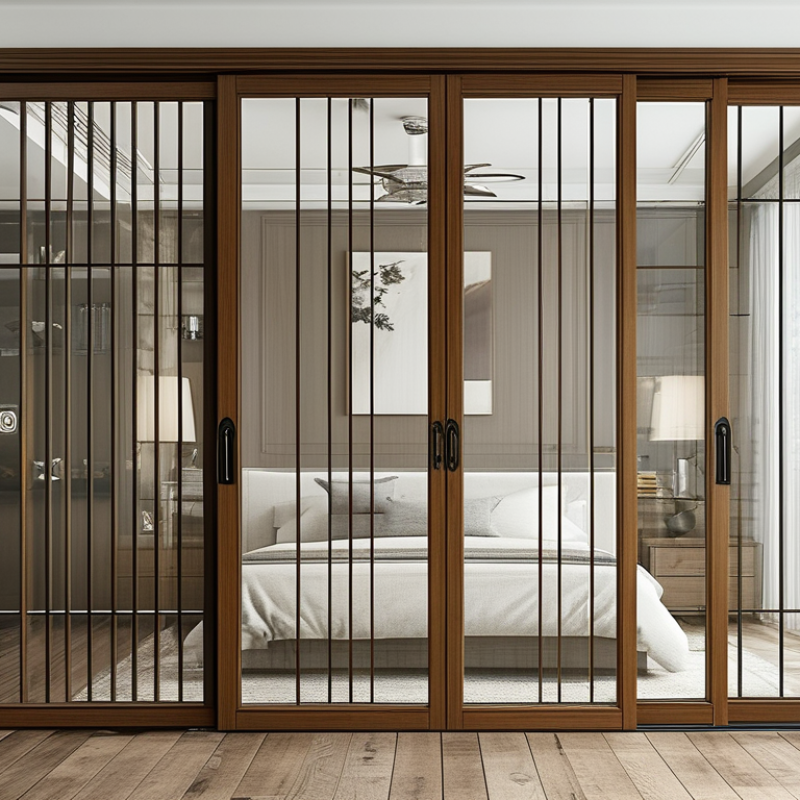
Understanding the Different Types of Sliding Doors Available
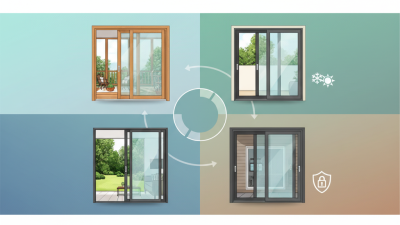
When selecting sliding doors, it's crucial to understand the different types available. Each type serves a unique purpose and can dramatically affect the ambiance of your space. Bi-fold doors are a popular choice for merging indoor and outdoor areas, creating a seamless transition. They fold open, allowing ample natural light and fresh air. However, consider how often you will use them, as frequent operation can lead to wear over time.
Another option is pocket doors, which slide into the wall. This clever design saves space and offers a clean look. Pocket doors can be useful in tight areas where traditional doors may be obstructive. Nonetheless, installation can be tricky and might require professional help, especially if your walls are not prepped for this design.
Finally, sliding patio doors provide easy access to outdoor areas. They enhance views and offer convenience but can be less energy-efficient. Over time, accumulated dirt in the tracks can also cause operational issues. Each type has its strengths and weaknesses, requiring careful consideration based on your specific needs and lifestyle. Prioritize functionality and aesthetics, and make a choice that fits your life.
Evaluating Sliding Door Materials for Durability and Aesthetics
When selecting sliding doors, material choice is crucial. Different materials offer varying levels of durability and aesthetics. For instance, wood adds warmth and texture but can warp over time. Vinyl is low-maintenance and resistant to weather, yet it may lack the classic appeal of wood. Consider how each material fits your design vision and practical needs.
Glass doors are visually stunning and can maximize natural light. However, they require regular cleaning to maintain their appearance. On the other hand, aluminum frames are strong and can support large panels, enhancing modern aesthetics. They may not provide the same level of insulation as wood, leading to potential energy inefficiencies.
Evaluating your lifestyle and environment is essential. Coastal areas demand corrosion-resistant materials, while dry climates may favor wood. Reflect on long-term maintenance versus immediate appeal. By weighing these aspects, you can make a more informed decision that balances durability with beauty in your space.
Measuring Your Space for Optimal Sliding Door Fit
Measuring your space accurately is crucial for selecting the perfect sliding doors. Start by determining the width and height of the opening. Use a tape measure to capture these dimensions. It’s essential to measure at multiple points. Walls may not be perfectly straight, leading to uneven openings. You don’t want gaps or overhangs affecting your door's performance.
After noting the dimensions, consider how much clearance is needed. Sliding doors require space to operate smoothly. Ensure fixtures or furniture won’t obstruct the door's movement. Take into account any architectural features, like trim or molding, that could influence installation. Leaving room for adjustments is vital. Sometimes, even minor miscalculations can lead to frustrating outcomes.
Think about the door's design and functionality as well. Different styles have various requirements depending on your space. Consider environmental factors like weather sealing if the doors lead outside. It’s also beneficial to consult with a professional for advice tailored to your specific situation. An expert can offer insights and help ensure your sliding doors fit perfectly, enhancing both functionality and aesthetic appeal.
Considering Energy Efficiency and Insulation Features in Sliding Doors
When selecting sliding doors, energy efficiency and insulation features are critical. According to the U.S. Department of Energy, about 30% of residential heating and cooling energy is lost through windows and doors. Choosing the right sliding doors can significantly reduce this loss, leading to lower energy bills and a more comfortable living environment.
Look for doors that boast high energy ratings, such as low U-factor and high Solar Heat Gain Coefficient (SHGC). These ratings indicate better insulation and energy performance. Double or triple glazing can enhance thermal efficiency by creating insulated air spaces. Additionally, consider the frame materials. Vinyl and fiberglass frames often provide superior insulation compared to aluminum frames.
However, some consumers overlook installation quality. Poorly installed doors can lead to air leaks, negating the benefits of energy-efficient designs. This can result in added costs and dissatisfaction. Always consult with experts for installation to ensure optimal performance. Choosing sliding doors is not just about aesthetics; it’s about intelligent investment in your home’s energy efficiency.
Selecting Styles and Designs to Complement Your Home Décor
When selecting sliding doors, the design should complement your home décor. Choosing the right style can enhance the overall aesthetic of your space. Various designs, from modern to rustic, can shift the atmosphere significantly. According to reports from the American Institute of Architects, 38% of homeowners prioritize design as a primary factor in their renovations. This statistic underscores the importance of aesthetics in your door selection process.
Consider the materials and colors of your sliding doors. A glass option can create an illusion of more space, while wooden frames can add warmth. Data from the Door & Hardware Institute indicates that natural materials are preferred by 55% of consumers for their durability and visual appeal. A carefully selected door can tie together the interior design elements, creating harmony.
However, balance functionality with design. A door that looks good but is difficult to operate can lead to frustration. The right sliding door should be easy to use while matching your style. Additionally, trends show that homeowners often overlook energy efficiency. Choosing poorly insulated doors may lead to increased utility bills. Evaluating both style and practicality is essential for a satisfying choice.