What Are the Best Wooden Windows and Doors?
“What Are the Best Wooden Windows and Doors?” is not answered by timber species alone. The right choice must suit the building, local weather, daily use, and maintenance routine. A broad oak frame may feel reassuring in a showroom, yet look heavy in a small room. A slender softwood sash can feel light and still need careful finishing. Details matter.
Architectural critic John Ruskin wrote, “When we build, let us think that we build forever.” His words offer a useful lens for choosing wooden windows and doors, even if no product is maintenance-free. Strong joinery, well-sealed glazing, durable coatings, and thoughtful installation all shape performance. So do practical details: rain on an exposed sill, condensation on winter glass, or a sticky latch after years of use. Small signs, but worth noticing.
The sections ahead compare timber options, construction, energy performance, finishes, and cost. They also consider where certified sourcing and repairability fit into a sensible purchase. The best choice is rarely the most expensive one. It is the one that works with your home and that you are prepared to care for. That sounds straightforward. It is not always. A beautiful sample cannot reveal every weakness, so ask for specifications, warranties, and maintenance guidance before deciding.
What Defines a High-Quality Wooden Window or Door?
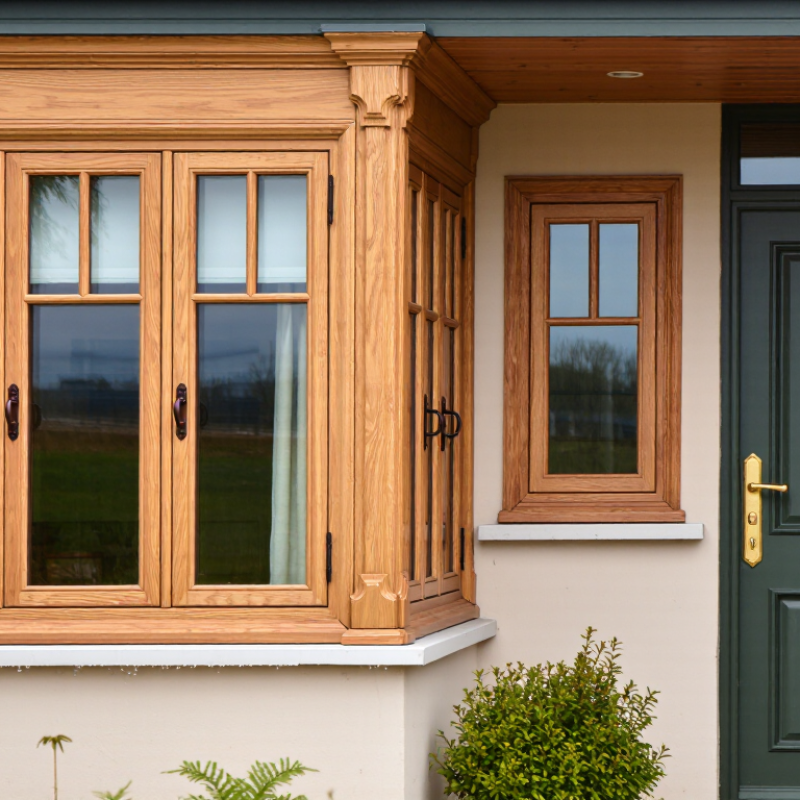
A high-quality wooden window or door begins with stable, well-prepared timber. Look for tight joints, straight frames, smooth operation, and finishes that cover exposed edges and end grain. These details matter: wood responds to moisture, so a beautiful frame can still warp if water collects around a sill or coating is neglected. No assembly is maintenance-free.
Performance should be verified, not guessed from appearance. The U.S. Department of Energy’s Energy Saver guidance estimates that windows account for 25–30% of residential heating and cooling energy use. Check the National Fenestration Rating Council label for tested U-factor and solar heat gain coefficient; lower U-factor generally means better insulation, while suitable solar gain depends on climate and window orientation. The Department of Energy’s guidance also recommends checking air leakage, installation quality, and weatherstripping. A solid door should close evenly, seal at the threshold, and resist water entry at joints. Ask for test documentation covering air, water, and structural performance, such as ratings under the AAMA/WDMA/CSA 101/I.S.2/A440 standard. The numbers help, but installation can undo good manufacturing. Inspect the sill after rain. That small check is easy to overlook.
Which Wood Species Are Best for Windows and Doors?
What Are the Best Wooden Windows and Doors?
Which Wood Species Are Best for Windows and Doors?
The best wood depends on exposure, maintenance, and the look you want. Western red cedar is lightweight and naturally resistant to decay, making it a practical choice for exposed frames. White oak is denser and strong, and its closed pores help limit water movement. The USDA Forest Products Laboratory’s Wood Handbook (FPL-GTR-282, 2021) lists approximate specific gravity values of 0.32 for western redcedar and 0.68 for white oak. These figures describe density, not overall durability, so they should not decide the choice alone.
Eastern white pine, at about 0.35 specific gravity in the same handbook, is easier to machine and takes paint well. It can suit sheltered openings, but exposed edges and joints need careful sealing. Cedar can dent more easily, while oak adds weight and may cost more. There is no perfect species; installation details can matter just as much as the timber itself.
Tips: Match wood to the wettest side of the building. Use drip edges, seal end grain, and keep water from pooling at sills. Check coatings regularly. One limitation: even durable wood can fail when joints stay damp.
How to read this chart: Janka hardness measures resistance to denting, not overall suitability for windows and doors. Species selection should also account for moisture exposure, natural decay resistance, dimensional stability, finish, and maintenance.
How Do Design and Construction Affect Performance?
Wooden windows and doors perform best when their design works with the building. Frame depth, glazing, weather seals, and drainage paths matter as much as wood species. A thick frame can limit heat flow, but large glass areas still affect comfort. The U.S. Department of Energy’s Energy Saver guidance estimates that heat gain and loss through windows account for 25–30% of residential heating and cooling energy use. That makes the whole assembly important. Compare tested whole-unit U-factors and solar heat-gain coefficients, not frame material alone. Ratings make comparisons easier.
Construction determines whether performance holds up in real weather. Tight corner joints, continuous gaskets, and sill drainage help resist drafts and driven rain. On site, a level opening and carefully insulated perimeter prevent gaps that can undermine sound joinery. Too much sealant can block drainage. That detail is easy to miss. Choose glazing and opening styles for the building’s orientation; sunny exposures may need different solar control from shaded walls. Wood also needs a durable exterior finish and periodic inspection, especially at lower rails and exposed end grain. NFRC labels provide standardized U-factor and solar heat-gain ratings, but installation quality remains outside the product label’s promise. Craftsmanship cannot compensate for neglected water management.
| Design or Construction | Typical Build | Performance Benefits | Trade-Offs and Care | Best Suited For |
|---|---|---|---|---|
| Solid-wood exterior door | Stiles, rails, and panels made from solid timber; panel construction allows seasonal movement. | Natural insulating properties, substantial feel, and the option to repair or refinish the surface. | Wood expands and contracts with changes in moisture. An intact finish, weatherstripping, and a well-fitted threshold are important. | Protected entrances where natural wood appearance and repairability are priorities. |
| Engineered-wood exterior door | Wood veneers or components bonded to a stable engineered core; exact construction varies by product. | A stable core can help limit warping and maintain consistent operation compared with some solid-wood designs. | Moisture protection remains essential, especially at edges and joints. Repair options depend on veneer thickness and construction. | Entrances where dimensional stability and a wood finish are desired. |
| Traditional wood window with double glazing | Timber frame and sash with two panes of glass, commonly separated by a sealed insulating-glass spacer. | Wood frames conduct less heat than many common metals. Double glazing reduces heat transfer compared with single glazing. | Performance depends on the complete window, including glass coatings, spacer, seals, frame, and installation. Exterior paint or stain needs upkeep. | Homes seeking a traditional appearance with improved insulation over single-glazed windows. |
| Wood window with triple glazing | Timber frame and sash containing three panes of glass, typically with two insulating cavities. | Can reduce heat transfer and improve interior comfort in cold conditions when the complete unit is well designed. | Usually heavier and often more expensive than double glazing. Frame strength, hardware, and installation must suit the added weight. | Cold climates, noise-sensitive locations, and projects prioritizing high thermal performance. |
| Wood window with exterior cladding | Wood interior surfaces combined with an exterior protective layer, commonly aluminum or another weather-resistant material. | Exterior cladding can reduce exposure of the timber to sun and rain while retaining a wood interior finish. | Cladding does not remove the need for correct flashing, drainage, and installation. Color and profile choices may be more limited. | Exposed elevations or owners seeking to reduce exterior refinishing work. |
| Frame, joints, and weather seals | Joinery, corner connections, compression seals, glazing seals, and door or window hardware. | Tight, well-made joints and continuous seals help limit drafts and water entry; sound hardware supports reliable operation. | Weak joints, worn seals, poor adjustment, or gaps around the installed frame can undermine the performance of otherwise good materials. | Every project; construction quality and installation matter regardless of wood species or glazing type. |
| Glazing and whole-unit ratings | Glass selection may include double or triple panes, low-emissivity coatings, and gas-filled cavities. | Glazing choices influence heat loss, solar heat gain, daylight, and condensation risk. | Compare certified whole-window or whole-door data, such as U-factor and solar heat-gain coefficient where available; glass-only values do not describe the full assembly. | Buyers comparing products for a specific climate, orientation, or energy target. |
| Selection note: There is no single best design for every building. Compare the complete unit, including glazing, frame, seals, hardware, finish, and installation details. Actual energy, air-leakage, and water-resistance performance varies by product and should be confirmed using applicable independent test data and local requirements. | ||||
What Features Improve Energy Efficiency and Durability?
A wooden window performs well when its frame, glazing, and installation work together. The U.S. Department of Energy estimates that windows account for 25–30% of residential heating and cooling energy use. That makes low air leakage and suitable glass important, not decorative extras. Look for a whole-window NFRC label: its U-factor indicates heat transfer, while its solar heat gain coefficient shows how much solar heat enters. Choose ratings suited to your climate and room orientation.
Double- or triple-pane glass, insulated spacers, and tight weatherstripping can reduce heat loss and drafts. A low-emissivity coating helps limit unwanted heat transfer. Small gaps matter. During installation, check the perimeter for continuous sealing; even a high-performing window can disappoint if air slips around the frame. For wooden doors, a well-fitted threshold and compression seals help block chilly air at floor level.
Durability depends on moisture control as much as timber choice. Protected exterior finishes, drained sills, and properly sealed joints help keep rain from reaching vulnerable end grain. Inspect lower corners and paint edges each year; peeling finish is an early warning, not merely a cosmetic flaw. Wood is not maintenance-free, and I would not pretend otherwise. Repainting can feel tedious, but delaying it may invite swelling, sticking, or decay. NFRC ratings also do not measure installation quality, so careful fitting still matters.
How to Choose Wooden Windows and Doors for Your Home?
Choosing wooden windows and doors starts with your climate and how each opening is used. Check your climate. In wet or coastal areas, prioritize durable timber, sealed end grain, and drainage details that shed water. In strong sun, ask how the finish handles ultraviolet exposure and how often exterior surfaces may need recoating. A shaded bedroom may also need different glazing from a bright, exposed living room.
Compare timber stability, frame construction, and glazing rather than choosing by appearance alone. Ask whether the wood is responsibly sourced and properly dried; poorly dried timber can move as indoor humidity changes. Look for tight joints, smooth operation, and seals that sit evenly when the window or door closes. For large glazed areas, check thermal performance and safety requirements with a qualified installer. Details matter.
Installation can affect performance as much as the product itself. Have measurements checked on site, and confirm how the frame will be sealed against rain and drafts. I would not let a beautiful stain distract from maintenance needs. Finishes wear unevenly, especially on sun-facing doorsills and lower frames. Ask for clear care instructions, then consider whether you can realistically follow them each year.
Related Posts
-
10 Best Tips for Choosing Wooden Windows and Doors for Your Home
-
Best Doors for Sliding Doors to Enhance Your Home Style?
-
2025 Top 10 Aluminum Wood Products for Sustainable Home Design
-
What are the Benefits of Wooden Windows and Doors?
-
How to Get Doors Installed for Your Home Purchase?
-

Top Tips for Choosing Windows and Patio Doors Today?