What is Aluminum Wood and How is it Used in Modern Design?
In modern design, the integration of materials has transformed spaces remarkably. One standout combination is aluminum wood. This innovative material merges the durability of aluminum with the warm aesthetics of wood. As industry expert James Thornton once stated, "Aluminum wood embodies both strength and elegance in design."
Aluminum wood is gaining popularity due to its versatility. Designers often use it in furniture, roofing, and outdoor structures. It provides the look of wood without the maintenance issues. However, its rise raises questions about authenticity in materials. Some consumers prefer real wood for its natural charm.
As we explore aluminum wood, we must consider its impacts. Sustainability is a critical factor in today’s design choices. While aluminum is recyclable, the production of coated wood can be harmful. Striking a balance between beauty and environmental responsibility is essential. Designers face challenges in making these decisions, but these conflicts drive innovation forward.

Definition and Composition of Aluminum Wood
Aluminum wood is an innovative composite material. It combines aluminum with a wood-like finish. This unique blend offers both the elegance of wood and the durability of aluminum. The main components include recycled aluminum and a wood veneer layer. This combination leads to a product that is lightweight yet robust.
Aluminum wood is used extensively in modern design. It appears in furniture, decking, and architectural elements. The material is resistant to rot and weathering, making it suitable for outdoor applications. Many designers appreciate its versatile aesthetic. Yet, achieving a natural wood look can be a challenge. Sometimes, the finish may not perfectly resemble real wood grain.
This inconsistency raises questions about authenticity in design. Can a synthetic material truly replace natural wood? It's a debate worth considering. Aluminum wood presents opportunities and limitations. Understanding its composition is key to making informed design choices. The balance between aesthetics and functionality reflects the evolving landscape of modern design.
Properties and Benefits of Aluminum Wood in Design
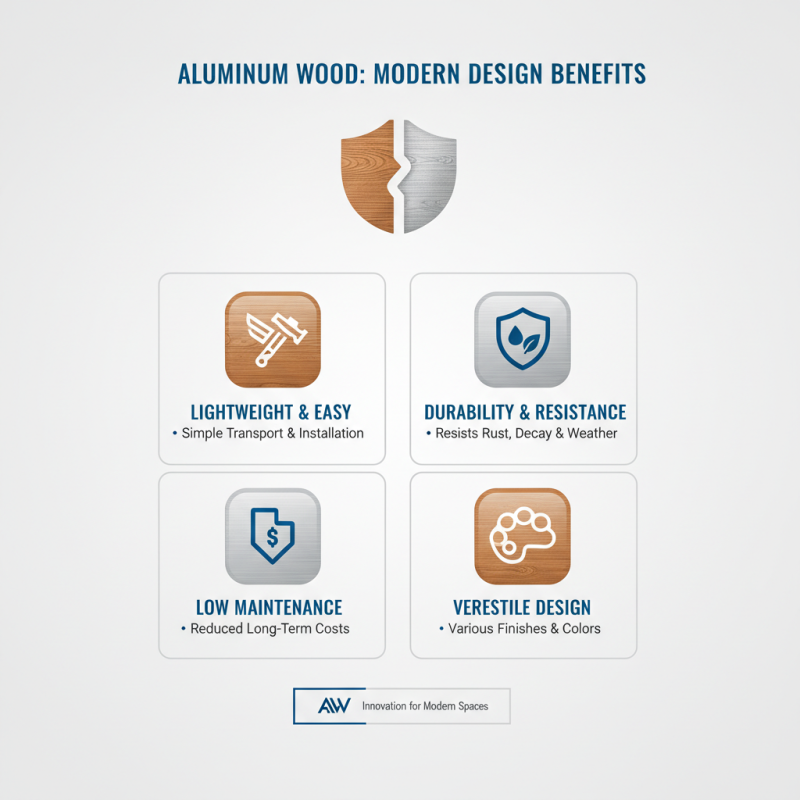
Aluminum wood combines the natural appeal of wood with the durability of aluminum. This innovative material offers a range of properties that benefit modern design. Its lightweight structure makes it easy to transport and install. It resists rust and decay, unlike traditional wood. This helps reduce maintenance costs over time. Additionally, aluminum wood is available in various finishes and colors, allowing for creative freedom.
The combination of materials gives you versatility in design. You can use aluminum wood for outdoor furniture or architectural features. It can mimic the look of wood, providing aesthetic charm without the downsides. However, its texture may not satisfy everyone. Some people prefer the warmth of real wood. It’s essential to weigh these preferences against practical benefits.
Aluminum wood also provides energy efficiency. The material reflects heat, keeping spaces cooler in summer. It's an eco-friendly option, contributing to sustainable design goals. Still, it’s important to consider the initial investment. While it may seem more expensive upfront, the long-term savings are significant. Design choices often require compromise. Finding the right balance between aesthetics and functionality can be challenging.
Applications of Aluminum Wood in Modern Architecture
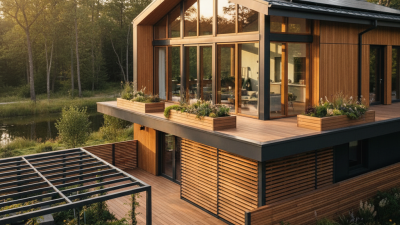
Aluminum wood is a modern material that merges the beauty of natural wood with the durability of aluminum. This combination allows architects and designers to create stunning facades, decking, and interior elements. For instance, aluminum wood cladding offers the aesthetic appeal of wood while resisting harsh weather conditions. It’s a practical choice for buildings exposed to the elements.
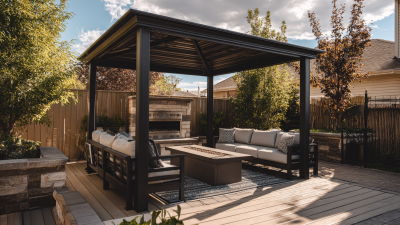
In modern architecture, aluminum wood is increasingly popular for outdoor structures. It is commonly used in pergolas and privacy screens. These installations provide shade while maintaining a relaxed atmosphere. However, careful consideration of material quality is crucial. Some aluminum wood products may not perform well over time. This can lead to fading or denting, which detracts from their initial appeal.
When integrated into interior design, aluminum wood can enhance spaces while keeping maintenance low. Using aluminum wood for cabinetry or accent walls can create a luxurious feel without the high upkeep of real wood. Yet, some designers find it challenging to balance its modern look with traditional elements. This tension can create unique yet sometimes conflicting aesthetics in contemporary interiors. Adjusting design choices is key to achieving a harmonious result.
Sustainability and Environmental Impact of Aluminum Wood
Aluminum wood is gaining popularity in modern design, particularly for its sustainability. This innovative material combines aluminum's durability with the aesthetic qualities of wood. The manufacturing process for aluminum wood typically uses 70% recycled content. This significantly reduces the environmental impact compared to traditional wood options.
Research indicates that using aluminum wood can lower carbon emissions by up to 50% when compared to conventional wood products. However, it is essential to consider the production energy required for aluminum. While it is lightweight and recyclable, the extraction and processing of aluminum can be energy-intensive. This raises concerns about its overall sustainability.
Designers must reflect on the lifecycle of materials. Although aluminum wood offers advantages, challenges remain. The balance of aesthetics, durability, and environmental impact requires careful thought. It is crucial to ask whether the benefits outweigh the costs. Exploring alternatives and seeking innovative solutions can lead to more sustainable choices in modern design.
Comparative Analysis: Aluminum Wood vs. Traditional Materials
Aluminum wood is gaining traction in modern design, offering a unique blend of aesthetics and durability. It mimics the rich textures of traditional wood while incorporating the strength of aluminum. This fusion can be an attractive feature in furniture, decks, and architectural elements. Designers appreciate its versatility and low maintenance, making it an appealing choice for contemporary projects.
When comparing aluminum wood to traditional materials, several factors emerge. Traditional wood, while beautiful, requires regular upkeep. It can warp or rot over time, diminishing its lifespan. In contrast, aluminum wood is resistant to harsh weather and insects. However, some might miss the authentic feel of natural wood. The warmth of timber evokes a comforting ambiance that synthetic alternatives struggle to replicate.
Another aspect to ponder is sustainability. Timber can be renewable if sourced ethically, but aluminum's eco-friendliness can vary depending on its production process. Aesthetic authenticity versus modern efficacy presents a dilemma for designers. The choice isn't always clear-cut. Each material has its merits and drawbacks, reflecting the evolving tastes in design.
Comparative Analysis: Aluminum Wood vs. Traditional Materials